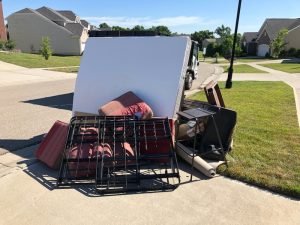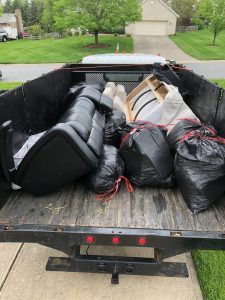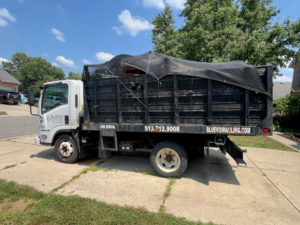
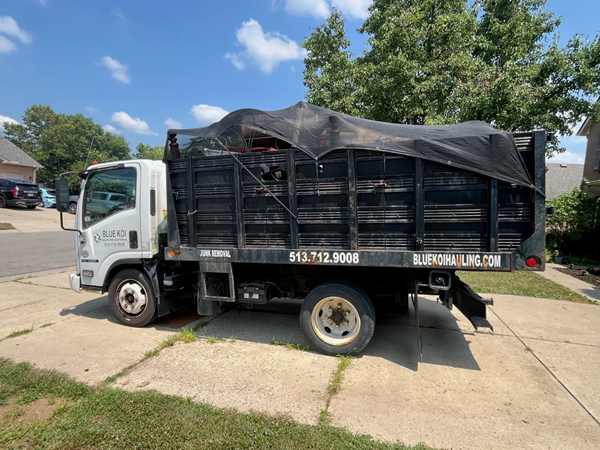
When clearing out a home, office, garage, or property, choosing the right waste removal option can make the project easier. Junk Removal and dumpster rental are two common solutions, but they work differently and suit different types of cleanup projects. Understanding the differences can help you choose an option based on the amount of waste, type of materials, project timeline, and amount of work you want to handle yourself.
With junk removal, a crew typically arrives at the property, loads unwanted items, and hauls them away. A dumpster rental provides a container that remains at the property for a set period while you handle the loading. Knowing how each option works can help you plan your cleanup more effectively.
How Does Junk Removal Work?
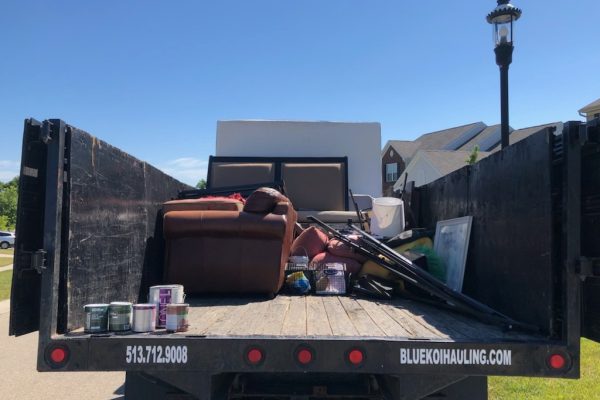
Junk removal is designed to make the removal process easier for customers. Instead of loading unwanted materials into a rented container yourself, a removal crew typically arrives at the property and handles the loading and hauling.
The process usually starts by scheduling an appointment and describing the items that need to be removed. Depending on the provider, accepted materials may include furniture, appliances, household items, yard debris, and other unwanted materials.
Once the items are loaded, they are transported away from the property. This can be useful for customers who want to avoid lifting, carrying, and loading heavy or bulky items themselves.
How Does Dumpster Rental Work?
Dumpster rental works differently because a container is delivered to the property for the customer to use. The customer is generally responsible for placing the unwanted materials into the dumpster during the rental period.
This option can be useful for projects that produce debris over several days. Home renovations, remodeling, construction, and large cleanouts may benefit from having a container available throughout the project.
After the rental period ends or the container is full, the company typically returns to pick it up. Customers should check the provider’s rules regarding rental periods, weight limits, prohibited materials, and additional charges.
Who Handles the Heavy Lifting?
One of the biggest differences between the two services is who performs the physical work. With junk removal, the service provider’s crew generally handles the lifting and loading as part of the removal process.
This can be helpful when unwanted items are located inside a home, garage, basement, or another area where moving them requires physical effort. Customers can usually explain where the items are located when arranging service.
With a dumpster rental, customers or their workers normally move the materials into the container themselves. This means furniture, boxes, renovation debris, and other items must be carried from the property to the dumpster.

Which Option Works for Home Cleanouts?
Home cleanouts can involve furniture, appliances, boxes, household belongings, and general clutter. The appropriate option depends on the size of the project and how the waste will be handled.
A full-service removal can be convenient when the main goal is to have unwanted items taken away without personally loading a container. This may work well for smaller cleanouts or projects where items are ready for collection.
A dumpster may be useful when waste will be produced gradually. For example, during a renovation, materials may accumulate over several days, allowing the customer or contractor to place debris into the container as work continues.
How Do Costs Typically Differ?
The pricing structure can differ because the services provide different types of work. Dumpster rental commonly involves charges for the container, delivery, pickup, and rental period. Additional costs may apply depending on weight, materials, or rental terms.
Full-service removal pricing may depend on the amount and type of material being removed, as well as the labor involved. Some companies provide estimates before beginning the work.
When comparing prices, customers should consider what is included. A dumpster rental may require the customer to provide the labor for loading, while a full-service option may include loading and hauling.
What Projects Suit Each Option?
Different projects may be better suited to different waste removal methods. A furniture removal, garage cleanout, or household decluttering project may be easier when a crew handles the loading and transportation.
Dumpster rental can be useful when waste is produced continuously. Remodeling, demolition, roofing, landscaping, and construction projects may create debris throughout the work rather than all at once.
The type of material also matters. Heavy construction debris can be subject to weight restrictions, while some materials may require specialized disposal.
What About Convenience and Time?
Convenience is another important consideration. With full-service removal, customers generally identify the unwanted items and make them accessible while the crew handles loading and hauling.
This can reduce the amount of time customers spend physically moving unwanted materials. Once the removal is completed, there is no need to keep a container on the property.
A dumpster rental provides ongoing access to a container during the rental period. This can be useful when a project takes several days or when materials are removed gradually.
However, the customer remains responsible for loading the dumpster. The time required will depend on the amount of waste and the number of people available to move it.
Are There Restrictions on What Can Be Removed?
Both services may have restrictions regarding accepted materials. Hazardous substances, certain chemicals, and regulated materials may require specialized handling instead of standard waste removal.
Dumpster companies may also have rules regarding prohibited items, weight limits, fill levels, and container placement. These requirements can vary by provider and location.
Removal companies can have their own list of accepted and restricted materials. Customers should provide accurate information about the items they want removed before scheduling service.
Checking these requirements in advance can help avoid unexpected problems and ensure that materials are handled through an appropriate disposal method.
Which Option Requires More Customer Work?
The amount of customer involvement is another major difference. With full-service removal, customers generally identify the items they want removed and make them accessible, while the crew handles loading and transportation.
A dumpster rental typically requires more work from the customer. The customer must move materials into the container and ensure that the waste stays within the provider’s rules and capacity.
For construction or renovation projects, workers may already be available to load the dumpster. For household cleanouts involving heavy furniture or bulky items, moving everything independently may require additional time and physical effort.
How Should You Choose Between the Two?
Start by considering how much waste you have, how quickly it will be generated, and whether you want to handle the loading yourself. These factors can help determine which service fits the project.
For a cleanup involving furniture, appliances, household belongings, or general unwanted items, a full-service removal appointment may provide a straightforward solution. The crew handles the hauling after loading the materials.
For projects that continuously produce debris, a dumpster can provide a convenient place to put waste as the work progresses. This may be useful for remodeling, construction, or larger property projects.
Before scheduling either service, ask about accepted materials, pricing, service periods, weight restrictions, and additional fees. Having these details in advance can make the cleanup easier to organize.
Conclusion
Understanding the difference between junk removal and dumpster rental can help you plan a cleanup more effectively. Full-service removal generally involves a crew loading and hauling unwanted materials, while dumpster rental provides a container that customers load themselves over a specific period. The appropriate choice depends on the project’s size, timeline, materials, available labor, and preferred level of convenience.
For residents and businesses in West Chester, Blue Koi Hauling and Junk Removal can provide information about available removal services and help customers understand their options. Whether you are clearing household items, preparing a property for a change, or dealing with accumulated unwanted materials, discussing your project in advance can help identify a suitable approach. For service questions or removal needs, contact Blue Koi Hauling and Junk Removal at +1 513-712-9008.