Junk Is Sorted After Collection
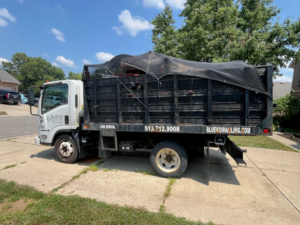
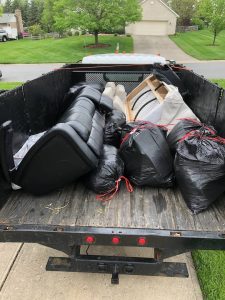
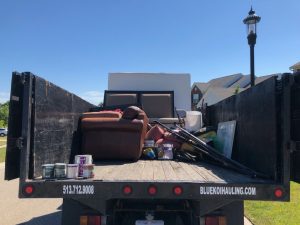
Once unwanted items are collected from a home, office, construction site, or other property, they are typically taken to a facility or designated area where the materials can be sorted. Sorting is an important part of the disposal process because different materials require different handling methods.
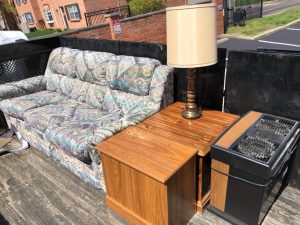
Items may be separated into categories such as furniture, appliances, electronics, yard waste, construction debris, metals, cardboard, plastics, and general household waste. The condition of an item can also determine what happens to it next. Something that appears useless to one person may still be valuable or usable to someone else.
During sorting, workers can identify materials that may be recycled or items that could potentially be donated or reused. This helps prevent everything from automatically being treated as ordinary waste.
Reusable Items May Be Donated
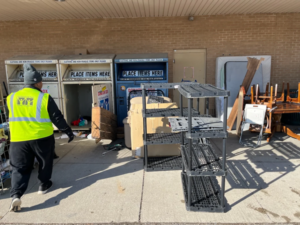
Not everything removed from a property is actually trash. Furniture, clothing, household goods, appliances, and other belongings may still have useful life remaining. When items are clean, functional, and in acceptable condition, they may be candidates for donation or reuse.
Donation gives unwanted belongings another opportunity to serve a purpose instead of being immediately discarded. A piece of furniture that no longer fits in one person’s home, for example, could be useful to another household. Similarly, usable household items may be valuable to charitable organizations or community programs.
The ability to donate an item depends on its condition and the requirements of the organization receiving it. Damaged, heavily stained, broken, or unsafe items may not be accepted.

Recyclable Materials Are Processed
Many common items contain materials that can be recovered and processed into new products. Metals, cardboard, certain plastics, paper, and some electronics may have recycling opportunities depending on local facilities and processing requirements.
After collection and sorting, recyclable materials are separated from items that cannot be recovered. They may then be transported to recycling facilities where they are prepared for processing. The exact process varies depending on the material.
Metal is one example of a commonly recovered material. Aluminum and steel can often be processed and used in manufacturing new products. Cardboard and paper can also be broken down and processed into new paper-based materials.
Recycling helps reduce the amount of material requiring disposal and can conserve resources that would otherwise be needed to manufacture products from new raw materials. It can also reduce the volume of waste entering landfills.
Appliances and Electronics Need Special Handling
Large appliances and electronic devices can require different handling than ordinary household waste. Refrigerators, air conditioners, televisions, computers, washers, dryers, and other equipment may contain valuable materials or components that should be handled properly.
Some appliances contain refrigerants or other components that require specialized procedures. Electronics can contain metals, plastics, glass, and internal components that may be recovered through appropriate recycling programs.
When these items are removed during junk removal, they may be separated from general household waste. Their next destination depends on their condition, material composition, and the disposal or recycling options available in the area.
Functional appliances may sometimes be reused or donated if they meet the receiving organization’s requirements. Broken equipment may instead be directed toward an appropriate recycling or processing facility.
Construction Debris Can Be Recovered
Renovation projects, remodeling jobs, and demolition work can generate large amounts of debris. Materials such as wood, concrete, drywall, metal, cardboard, and other building materials may all be found in a construction cleanup.
After collection, construction debris can be sorted according to its material. Certain materials may be recyclable, reusable, or suitable for processing, while others may require disposal.
For example, scrap metal can have recycling value, while clean wood may have different handling options depending on its condition and local facilities. Concrete and other aggregates may also be processed in ways that differ from ordinary household garbage.
Keeping construction debris separated can make transportation and processing more efficient. It also helps prevent recyclable materials from becoming mixed with materials that cannot be recovered.
Some Materials Are Sent to Landfills
Although recycling, reuse, and donation can reduce waste, some materials still cannot be economically or practically recovered. These items may ultimately be transported to an appropriate landfill or disposal facility.
Landfills are designed to contain waste that cannot be reused or processed through other available methods. Before materials reach this stage, responsible junk removal providers may sort loads to identify anything that can be diverted.
The percentage of a load that reaches a landfill depends heavily on what was removed. A pile containing broken furniture, contaminated materials, damaged household goods, and mixed waste may have fewer recovery options than a load containing clean cardboard, metals, or reusable furniture.
Landfill disposal is therefore one part of the overall waste management process rather than necessarily the destination for every item collected from a property.

Hazardous Materials Require Proper Disposal
Some unwanted materials cannot be handled like ordinary household junk. Paint, chemicals, certain batteries, fuels, pesticides, medical waste, and other potentially hazardous materials may require specialized disposal procedures.
These materials can pose risks to people, property, and the environment if they are improperly transported or discarded. As a result, local regulations often establish specific requirements for handling them.
During a property cleanup, it is important to identify potentially hazardous materials before placing them with general waste. A hauling company may have restrictions on certain materials or may recommend contacting an appropriate local hazardous-waste program.
The correct disposal method depends on the material and local regulations. Some materials may need to be taken to designated collection facilities, while others require specialized recycling or treatment.
Responsible Disposal Reduces Waste
The overall goal of responsible waste management is to handle unwanted materials according to their condition and composition. Instead of treating every item as identical, the process considers whether something can be reused, donated, recycled, processed, or disposed of.
This approach can reduce unnecessary landfill use and help recover materials that still have value. It also makes property cleanouts more organized because different categories of materials can be directed to the facilities best equipped to handle them.
For homeowners and businesses, choosing a responsible junk removal provider can make the cleanup process considerably easier. Instead of figuring out how to transport every item individually, property owners can have unwanted materials collected and handled as part of a coordinated process.
Responsible disposal does not mean that every item can be recycled or reused. Some materials will still require disposal because of their condition, contamination, or lack of available processing options.
Conclusion
Junk does not necessarily go straight from your property to a landfill after it is removed. Depending on its condition and material, unwanted items may be sorted for donation, reuse, recycling, specialized processing, or final disposal. Appliances, electronics, construction debris, metals, furniture, and household waste can all require different handling methods.
Understanding the process can help homeowners and businesses make better decisions when clearing unwanted materials. It also makes it easier to choose a hauling provider that takes responsible disposal seriously.
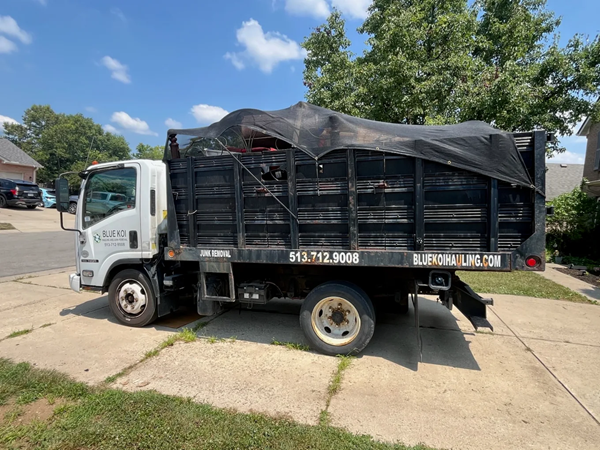
If you need dependable junk removal in West Chester, Blue Koi Hauling and Junk Removal can help make the cleanup process easier and more convenient. For questions about removing unwanted items or scheduling a service, call 513-289-7608.
https://stream.redcircle.com/episodes/a3bb4357-a271-4c86-a3bd-8b1a0143f4bc/stream.mp3
https://www.buzzsprout.com/2649378/episodes/19767013