How Junk Removal Companies Handle Usable Items
Many junk removal companies sort items during the removal process to determine what can be donated, recycled, reused, or disposed of. When workers arrive at a property, they may separate furniture, appliances, electronics, clothing, household goods, and other belongings based on their condition and potential usefulness.
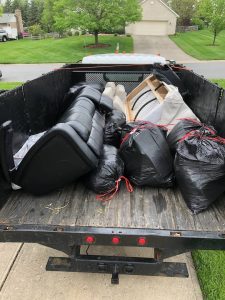
Items that are clean, functional, and safe are more likely to qualify for donation. A gently used sofa, for example, may have value to a local nonprofit, while a damaged or heavily stained sofa may not be accepted. The same principle applies to appliances, mattresses, electronics, and other household items.
Donation policies differ from one company to another. Some companies have established relationships with local charities and nonprofit organizations, allowing them to deliver qualifying items after a removal appointment. Others may separate reusable belongings and direct customers toward organizations that accept donations.
It is also important to understand that removal companies cannot donate everything they collect. Charities have their own acceptance requirements, storage limitations, and safety standards. An item may appear usable to a homeowner but still be unsuitable for donation because of damage, recalls, hygiene concerns, or local regulations.
What Types of Items Are Commonly Donated?
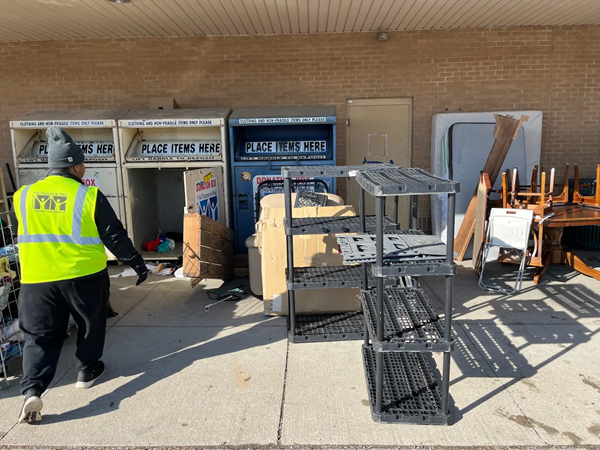
The types of items eligible for donation depend heavily on their condition and the needs of local organizations. Furniture is one of the most common categories because tables, chairs, dressers, desks, bookshelves, and gently used sofas can remain useful for families, community organizations, and individuals.
Small household items may also have donation potential. Kitchenware, dishes, cookware, decorations, books, toys, clothing, and other clean belongings can sometimes be redirected instead of discarded. Working appliances may also qualify if they are safe, functional, and accepted by the receiving organization.
Electronics can be more complicated. Some organizations accept working televisions, computers, or other devices, while others have restrictions because of storage, recycling, data privacy, or disposal requirements. Donating an electronic device should also involve removing personal information before it changes hands.
Large or specialized items may have fewer donation opportunities. Old mattresses, heavily worn furniture, broken appliances, hazardous materials, and items with significant damage are often difficult for charities to accept. If you are planning a cleanup, separating obvious donations before the removal appointment can make the process easier and help workers identify items that may still benefit someone else.

Why Donation Is Better Than Throwing Everything Away
Keeping usable belongings out of the waste stream can provide both environmental and community benefits. When a functional table, chair, appliance, or household item is donated rather than discarded, its useful life can be extended. This reduces the demand for completely new products and helps minimize unnecessary waste.
Donation can also benefit people who need affordable household goods. A family moving into a new home, a nonprofit furnishing a community space, or an individual rebuilding after a difficult situation may be able to use items that another household no longer needs.
There is also a practical advantage for homeowners. Clearing out a property does not always mean that every unwanted item is worthless. Identifying reusable belongings can turn a simple cleanup into an opportunity to support local organizations.
However, responsible donation means being realistic about an item’s condition. Giving a charity something broken, unsafe, heavily damaged, or unusable does not necessarily help. In some cases, the organization may have to spend money and time disposing of the item themselves.
The goal is not simply to avoid throwing something away. The goal is to find an appropriate next destination for belongings that genuinely remain useful.
How Companies Decide Whether an Item Can Be Donated
Donation decisions are generally based on condition, safety, cleanliness, functionality, and local demand. Workers may inspect an item before deciding whether it is appropriate for donation, recycling, resale, or disposal.
Furniture usually needs to be structurally sound and reasonably clean. Appliances may need to function properly without obvious safety concerns. Clothing and household goods are generally more suitable when they are clean and free from significant damage.
Some products also present special considerations. Children’s equipment, electronics, mattresses, and certain appliances may have specific safety requirements or restrictions. Items that have been recalled may not be appropriate for donation even if they appear to be in good physical condition.
Local charity policies are another major factor. A removal company may be willing to transport an item, but that does not guarantee a nonprofit will accept it. Organizations can change their requirements based on storage capacity, seasonal demand, or health and safety policies.
If donation is important to you, ask about the company’s donation process before scheduling service. Find out whether workers sort items, which organizations they work with, and what happens to belongings that cannot be donated. Clear communication helps set realistic expectations and makes the removal process more efficient.
Do Companies Donate Everything That Is Still Usable?
Not necessarily. An item can be technically usable but still unsuitable for donation. Charities often have strict guidelines because they need to protect recipients, volunteers, staff, and their own resources.
For example, a piece of furniture may technically function but have extensive stains, odors, structural damage, or pest concerns. A working electronic device might still contain private information. An older appliance could also have safety concerns or be too difficult for an organization to transport or store.
Space is another important consideration. Donation centers cannot accept unlimited quantities of every item. If an organization already has an excess of certain furniture or household goods, it may decline additional donations even when those items are in good condition.
This is why homeowners should avoid assuming that every item collected during a cleanup will automatically be donated. A professional removal company typically has to make decisions based on what can realistically be reused and what receiving organizations can accept.
The best approach is to ask about donation policies ahead of time and identify especially valuable or meaningful items before the appointment. If a particular belonging must be donated, you may want to contact a suitable nonprofit directly to confirm acceptance before arranging its removal.
Can You Request That Specific Items Be Donated?
In many situations, customers can tell a removal company that they would prefer certain belongings to be donated. This can be especially helpful when clearing out a home after a move, downsizing, renovation, estate cleanout, or major organization project.
However, requesting donation does not necessarily mean the item will be accepted. The company still needs to determine whether the item meets its donation partners’ requirements. If a charity declines the item, another disposal or recycling option may be necessary.
It is helpful to identify donation items before workers arrive. Put clean, functional belongings in an easily accessible location when possible, and clearly communicate which items you hope can be reused. This can make sorting faster and reduce confusion during the appointment.
You can also ask whether the company has relationships with specific nonprofit organizations. Some businesses may regularly work with local charities, while others may use several organizations depending on the type of item being removed.
If the charitable destination matters to you, ask questions before booking. Understanding the company’s policies can help you choose a service provider whose approach matches your priorities. It also prevents misunderstandings about what will happen to your belongings after they leave your property.

What Happens to Items That Cannot Be Donated?
Not every item can be donated, but that does not necessarily mean everything goes directly to a landfill. Responsible removal companies may evaluate other options, including recycling, material recovery, resale, or appropriate disposal.
Metal furniture and appliances, for example, may contain recyclable materials. Cardboard, certain plastics, electronics, and other materials may also have recycling opportunities depending on local facilities and regulations.
Items that are damaged beyond practical reuse may require disposal. Certain materials also need specialized handling because they can create environmental or safety concerns. This is one reason professional removal services often sort collected materials after picking them up.
The important distinction is between donation and responsible disposal. A company may donate the items that meet charity requirements while finding recycling or disposal options for everything else.
Homeowners can support this process by being transparent about what needs to be removed. Mentioning unusual, oversized, damaged, or potentially restricted materials when scheduling service gives the company an opportunity to explain its policies in advance.
When choosing a removal provider, consider asking what happens after collection. A company that actively looks for donation and recycling opportunities may provide a more responsible alternative to simply sending every unwanted item to a disposal facility.
How to Prepare Items for Possible Donation
Preparing items before a removal appointment can improve their chances of being accepted. Start by separating belongings that are clean, functional, and in reasonably good condition from items that are clearly broken or damaged.
Furniture should be accessible and free of personal belongings. Clothing should generally be clean and dry. Appliances should be emptied and, when appropriate, disconnected safely before removal. Electronics should be checked for personal information, passwords, accounts, and stored files.
Avoid repairing an item solely to make it appear better than it actually is. If something is unsafe or seriously damaged, it may be more appropriate for recycling or disposal than donation.
You can also make a list of items you particularly hope will be donated. Communicating this list to the removal team can help workers understand your priorities during sorting.
If an item has sentimental or financial value, consider whether you want to donate it before placing it into a general removal pile. Once belongings are removed, you may not be able to retrieve them easily.
A little preparation can make the entire process smoother. It also helps ensure that usable belongings are presented in the best possible condition for consideration by donation organizations.
Choosing a Removal Company That Prioritizes Reuse
If donating usable belongings is important to you, ask about a company’s reuse and donation practices before scheduling service. A reputable provider should be able to explain how it handles items that remain in good condition.
Ask whether the company works with local charities, whether workers sort materials after collection, and what happens when donation centers cannot accept particular items. You can also ask whether recycling is part of the company’s overall disposal process.
Reviews and recommendations may provide additional insight, but company policies are especially important. Donation partnerships can change, so it is better to ask directly rather than assume that a company donates every usable item.
A good removal experience should make the process convenient while treating unwanted belongings responsibly. Professional workers can handle the physical work of clearing a property while helping determine which items may have another useful purpose.
Ultimately, donation is one possible destination for qualifying belongings. Recycling, reuse, resale, and proper disposal may also play important roles in responsible removal. Choosing a company that considers these options can help you clear your space while reducing unnecessary waste.
Conclusion
Many junk removal companies do donate usable items when those belongings meet the condition, safety, and acceptance requirements of local charities or nonprofit organizations. Furniture, clothing, household goods, appliances, and other functional items may have an opportunity for reuse rather than immediate disposal. However, donation is never guaranteed because organizations have their own policies, storage limitations, and safety standards.
Before scheduling a removal appointment, ask how the company sorts collected belongings and what options are available for donation and recycling. Preparing clean, functional items and identifying your donation priorities can also make the process easier.
For professional service in the area, Blue Koi Hauling and Junk Removal can help with your cleanup needs in West Chester. To learn more or discuss your removal project, call 513-289-7608.
https://stream.redcircle.com/episodes/1b491f3b-430c-4621-996d-c38746704171/stream.mp3
https://www.buzzsprout.com/2649378/episodes/19766930