
Volume-Based Pricing
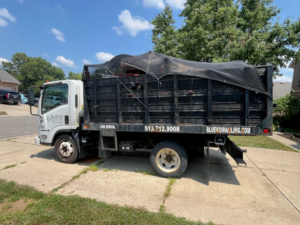
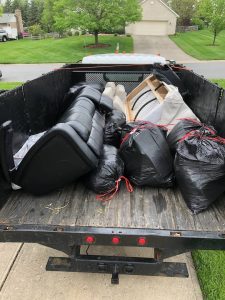
One of the most common ways junk removal companies charge customers is by the amount of space their items occupy inside a truck. Instead of charging for every individual item, the company estimates how much of the truck will be filled once everything is loaded. The more space your junk takes up, the higher the price is likely to be.
This pricing method can be convenient because customers do not have to calculate the cost of every piece of furniture, box, appliance, or household item. A company may provide pricing tiers based on portions of the truck, such as one-eighth, one-quarter, one-half, three-quarters, or a full truckload.
Volume-based pricing is particularly useful when customers have a mixture of different items. For example, a garage cleanout may include cardboard boxes, old furniture, tools, household belongings, and miscellaneous debris. Instead of assigning separate prices to everything, the company can determine the overall volume.
However, the final price can depend on how efficiently the crew loads the truck. Professional crews often organize and stack materials carefully to maximize available space. This can make volume-based pricing easier to understand while providing customers with a predictable estimate.
Flat-Rate Pricing
Another common pricing method is a flat rate. With this approach, the company provides a predetermined price for a particular service or type of removal. The rate may depend on the item, quantity, location, or estimated amount of labor required.
Flat-rate pricing can make budgeting easier because customers know the expected cost before the work begins. For example, a company may have standard pricing for removing a single appliance, mattress, hot tub, or piece of furniture.
Some companies may also provide flat-rate estimates after reviewing photographs or conducting an in-person assessment. This allows the company to determine the amount of work involved before giving the customer a final price.
The advantage of flat-rate pricing is transparency. Customers can compare the quoted amount with other providers and determine whether the service fits their budget. However, it is important to ask what the rate includes. Some estimates may cover labor, transportation, and disposal, while others may have additional charges.
Before agreeing to a flat rate, customers should ask whether there are extra fees for stairs, long carrying distances, heavy materials, or difficult access. Understanding what is included in the quote can prevent surprises when the job is completed.

Hourly Pricing
Some removal services use hourly rates instead of charging according to volume. Under this model, customers pay based on how long the crew spends completing the job. The total cost may include the time required to load, transport, and handle the materials.
Hourly pricing can be useful for projects where the amount of work is difficult to estimate in advance. A large property cleanout, for instance, could involve multiple rooms, storage areas, garages, or outdoor spaces. The time needed to complete such a project may depend heavily on how accessible the items are.
Labor requirements can also affect the total time. Items located inside a basement, attic, upper floor, or backyard may take longer to remove than items sitting next to a driveway. Narrow hallways, stairs, gates, and other obstacles can also slow down the process.
Customers considering an hourly rate should ask whether there is a minimum charge. Some companies may have a minimum number of hours or a minimum service fee. It is also helpful to ask how the company calculates partial hours.
While hourly pricing can work well for certain projects, customers should consider the potential for the final cost to change as the job progresses. A clear estimate and communication with the crew can help keep the project within the expected budget.
Item-Specific Charges
Certain items may have individual prices because they require additional labor, specialized equipment, or specific disposal procedures. Instead of treating these materials like ordinary household junk, a company may assign a separate charge.
Large or heavy items are common examples. Things such as refrigerators, washers, dryers, mattresses, large furniture, exercise equipment, and other bulky objects can require additional effort to safely remove.
Some materials may also require special handling because of disposal regulations or recycling requirements. Electronics, certain appliances, tires, construction materials, and other specialized items may not be handled in exactly the same way as ordinary household waste.
The condition and location of an item can also influence the price. A heavy appliance sitting in an accessible garage may be relatively straightforward to remove. The same appliance located on an upper floor with a narrow staircase could require considerably more labor.
Customers should provide accurate information when requesting an estimate. Sharing photographs and explaining where the items are located can help a company determine whether special pricing may apply.
It is also worth asking whether the quoted price includes transportation and disposal. A low item-specific price may not represent the complete cost if additional fees are added later. A detailed estimate should make it clear what customers are paying for.
What Factors Affect Junk Removal Costs?
Several factors can influence the amount a customer pays for junk removal. The volume of material is one of the biggest considerations because larger loads generally require more truck space, labor, and disposal resources.
The type of junk can also affect the price. Ordinary household items may be relatively straightforward to process, while heavy, bulky, recyclable, or specialty materials may require additional handling. Companies may also need to account for disposal fees associated with certain materials.
Accessibility is another important factor. Items that are located near a driveway or curb may be easier to collect than materials located deep inside a house, basement, attic, backyard, or commercial property. Stairs and long walking distances can increase the amount of labor involved.
The number of workers required can influence pricing as well. A small load that one person can safely handle may require less labor than a large collection of heavy furniture and appliances.
Location can also play a role. Transportation distance, local disposal costs, and regional operating expenses may vary between service areas.
Because of these factors, customers should not assume that two seemingly similar jobs will have identical prices. Providing accurate information about the items, their quantity, and their location allows a company to create a more realistic estimate.
Disposal and Recycling Fees
Disposal costs are another factor that can be included in the final price. After junk is collected, the materials must be taken to an appropriate facility, transfer station, recycling center, donation center, or other destination. Each facility may have different rules and fees.
Some materials can be recycled or donated instead of being sent directly to a landfill. Items such as certain metals, electronics, appliances, cardboard, and usable furniture may have alternative disposal options depending on their condition and local regulations.
However, recycling and donation still require time and transportation. A company may need to sort materials, transport them to different facilities, and follow specific acceptance requirements. These additional steps can be reflected in the service price.
Customers should ask whether disposal fees are already included in their estimate. A company that provides an all-inclusive quote may make it easier to understand the actual cost of the project.
Responsible disposal can also be an important consideration when choosing a provider. Customers may prefer companies that make reasonable efforts to recycle, donate, or properly process materials whenever possible.
Understanding disposal charges gives customers a better idea of where their money goes. It also helps them compare companies based on more than just the initial advertised price.

Labor and Accessibility
Labor is an important part of almost every removal project. The crew must collect, lift, carry, load, organize, and transport the materials. Jobs requiring more physical effort can therefore cost more than simple curbside pickups.
Accessibility has a major impact on the amount of labor required. For example, removing a sofa from a first-floor room with a nearby driveway may be relatively simple. Moving that same sofa from an upstairs room through a narrow staircase can take considerably more time and effort.
Outdoor locations can create their own challenges. Items located behind fences, inside sheds, or at the far end of a property may require additional carrying. Weather and ground conditions can also affect how efficiently crews can work.
Customers can make the estimating process easier by explaining these details when requesting a quote. Photos of the items and access points can be especially helpful when an in-person estimate is not available.
Professional companies typically consider safety when determining how a job should be completed. Heavy or awkward objects may require multiple workers or specialized equipment rather than being handled by one person.
Although customers may focus primarily on the amount of junk they have, the difficulty of removing it is equally important. A smaller but difficult job can sometimes require more labor than a larger load that is easy to access.
How to Get an Accurate Estimate
Getting an accurate estimate starts with providing complete information. Customers should describe the types of items they want removed and give an approximate idea of how much material needs to be collected.
Photographs can make the estimating process easier. Clear pictures showing the items and surrounding areas can help a company determine the approximate volume and identify potential access challenges.
Customers should also mention important details such as stairs, elevators, narrow entrances, long distances from the truck, gates, basements, or other obstacles. Leaving out these details could result in an estimate that changes once the crew arrives.
It is also important to ask what the quoted price includes. Customers should determine whether labor, transportation, loading, and disposal are included or whether any of these services carry separate charges.
Comparing estimates can be useful, but customers should avoid automatically choosing the lowest number. A very low quote may not include the same services or disposal costs as another company’s estimate.
A reliable estimate should be understandable and based on the actual requirements of the project. Customers should feel comfortable asking questions about anything they do not understand before approving the work.
Taking a few minutes to provide accurate information can make the entire process smoother. It can also help reduce misunderstandings about pricing once the crew arrives.
How to Compare Junk Removal Companies
Comparing companies involves more than looking at the advertised price. Customers should consider the pricing structure, services included, reputation, availability, and how clearly the company communicates with them.
First, determine whether each company uses volume-based, flat-rate, hourly, or item-specific pricing. Comparing different pricing models can be difficult if the quotes are not based on the same scope of work.
Next, ask whether the estimate includes labor, transportation, and disposal. A quote that appears inexpensive may become more expensive if additional fees are added later.
Customers should also consider how the company handles unwanted materials. If recycling or donation is important to the customer, asking about the company’s disposal practices can help identify a suitable provider.
Communication is another important consideration. Companies that provide clear explanations, answer questions, and give straightforward estimates can make the experience less stressful.
Scheduling flexibility may also matter, especially when junk needs to be removed before a move, renovation, property sale, or other deadline.
Ultimately, the best choice is not always the company offering the lowest initial quote. A fair price combined with dependable service, transparent communication, responsible disposal, and professional work can provide better overall value.
Understanding the pricing structure allows customers to make a more informed decision and choose a provider based on the complete service rather than a single advertised number.
What Should Be Included in a Junk Removal Quote?
A good junk removal quote should clearly explain what the customer is paying for. While the exact format can vary between companies, a useful estimate should provide enough information for the customer to understand the expected total.
The quote should identify the items or general category of materials being removed. If the project involves a large cleanout, the estimate may describe the approximate volume rather than listing every individual item.
Labor should also be addressed. Customers should know whether loading and carrying the materials are included in the quoted price. This is especially important when items are located inside the property rather than at the curb.
Transportation and disposal should be clarified as well. Some companies provide an all-inclusive price, while others may separate certain charges. Asking about these details before scheduling can help customers avoid unexpected costs.
Additional fees should also be disclosed when applicable. These could relate to particularly heavy materials, difficult access, specialty items, or disposal requirements.
A written or clearly communicated estimate can make it easier to compare providers. Customers can evaluate the actual scope of each quote instead of comparing numbers that may cover different services.
The goal is transparency. When customers understand how the price was calculated and what is included, they can move forward with greater confidence and fewer surprises.
Conclusion
Understanding how junk removal companies charge for their services makes it easier to plan a cleanout and budget for the work. Pricing may be based on truck volume, flat rates, hourly labor, individual items, disposal requirements, or a combination of several factors. The size and type of the load, accessibility, labor involved, transportation, and disposal methods can all influence the final cost. Before scheduling, customers should provide accurate information, ask what is included in the estimate, and clarify whether additional fees may apply. Comparing complete quotes rather than simply choosing the lowest advertised price can help ensure better overall value. If you need dependable junk removal in West Chester, Blue Koi Hauling and Junk Removal can help with your removal needs. To learn more or schedule service, call 513-289-7608.
https://stream.redcircle.com/episodes/9989a98f-3906-4dc9-bba8-9c880ffa6554/stream.mp3
https://www.buzzsprout.com/2649378/episodes/19766941